
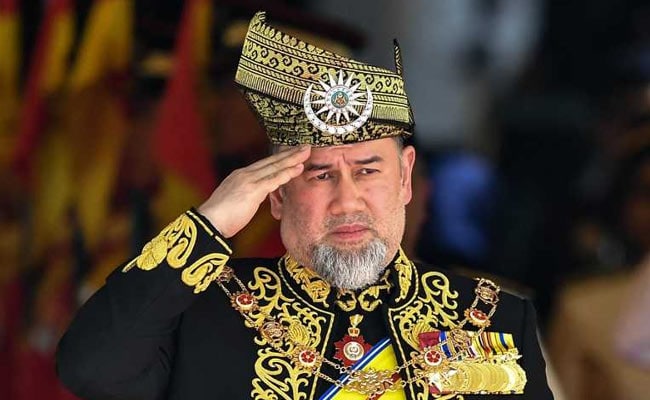
Malaysia, a country rich in diversity and cultural heritage, is home to a unique monarchy system. The King of Malaysia, also known as the Yang di-Pertuan Agong, is a revered and respected figure in Malaysian society. The monarchy in Malaysia holds a special place in the hearts of the people, and its traditions and customs have been passed down through generations.
The role of the King in Malaysia is mainly ceremonial, and the monarchy operates within a constitutional framework. The King is chosen from among the nine hereditary rulers of the Malay states, and the selection is based on a rotating system, with each ruler taking turns to serve as the King for a five-year term. This system ensures that all the Malay states have the opportunity to be represented and that the monarchy remains inclusive and representative of the diverse population of Malaysia.
The King’s duties include the formal appointment of the Prime Minister, the opening of the parliamentary sessions, and the conferring of honors and awards. While the King’s powers are limited by the constitution, the position holds significant symbolic importance in the country’s governance and culture.
Beyond the political and ceremonial roles, the King of Malaysia also plays a crucial role as a unifying figure. The King is a symbol of national unity and serves as a unifying force for the diverse ethnic and religious communities in Malaysia. The monarchy’s ability to transcend political divisions and act as a unifying force has been instrumental in maintaining social harmony and fostering a sense of national identity.
The monarchy’s influence extends beyond ceremonial functions and symbolizes the rich cultural heritage of Malaysia. The royal traditions and customs are deeply rooted in the country’s history and are an integral part of Malaysian identity. Many of these traditions are upheld through royal ceremonies, cultural events, and various celebrations that showcase the rich tapestry of Malaysian culture.
One of the most significant royal ceremonies in Malaysia is the installation of the King, known as the “Yang di-Pertuan Agong Installation Ceremony.” This grand event is steeped in tradition and spectacle, attracting dignitaries, nobility, and the public alike. The ceremony involves elaborate rituals, traditional performances, and displays of regal pageantry, all of which highlight the grandeur and significance of the monarchy in Malaysia.
The King’s role in upholding and promoting Malaysian culture is also evident in the support for various cultural initiatives and heritage preservation efforts. The monarchy’s patronage of traditional arts, crafts, and cultural events underscores its commitment to preserving and promoting the country’s cultural legacy. By lending its support to cultural endeavors, the monarchy contributes to the preservation of Malaysia’s rich traditions and ensures that they are passed down to future generations.
Moreover, the King’s involvement in charitable and community initiatives also reflects the monarchy’s commitment to the well-being of the Malaysian people. Through various royal foundations and charitable endeavors, the King and the royal family actively support social causes, education, and initiatives aimed at improving the lives of the less fortunate.
The King of Malaysia and the monarchy as a whole are also an integral part of the country’s tourism industry. The royal palaces, ceremonial events, and heritage sites associated with the monarchy attract visitors from around the world, offering them a glimpse into Malaysia’s royal heritage and cultural traditions. The monarchy’s contribution to tourism helps showcase Malaysia’s unique identity and promotes cultural exchange and understanding.
While the monarchy in Malaysia continues to evolve within a modern constitutional framework, its enduring significance and cultural role remain deeply ingrained in the fabric of Malaysian society. The King of Malaysia symbolizes continuity, tradition, and unity, embodying the cultural richness and diversity of the nation.
In conclusion, the King of Malaysia occupies a unique and revered position in the country’s political, social, and cultural landscape. From ceremonial duties to cultural preservation and social initiatives, the monarchy and the King play a multifaceted role in upholding and promoting the rich heritage of Malaysia. As a symbol of national unity and cultural heritage, the monarchy continues to be an enduring source of pride and identity for the people of Malaysia.

 Rush Naf
Leave a comment