
Edward Snowden is a former intelligence officer who gained international attention in 2013 when he leaked classified information from the National Security Agency (NSA) to journalists. Before becoming a whistleblower, Snowden worked as a contractor for the NSA and also had previous employment with the Central Intelligence Agency (CIA).
Born on June 21, 1983, in Elizabeth City, North Carolina, Snowden has been described as a computer expert and a cybersecurity specialist. He first gained public attention in June 2013 when he revealed classified information about global surveillance programs conducted by the NSA. The leaked documents exposed widespread surveillance and data collection programs that the NSA and other intelligence agencies were conducting, both domestically and internationally.
The most significant disclosure by Snowden was the revelation of the NSA’s mass surveillance programs, which involved the collection of metadata from millions of Americans’ phone calls and the monitoring of internet communications through various online platforms. This sparked a global debate on privacy, security, and government surveillance practices.
After leaking the classified documents, Snowden fled to Hong Kong and then to Moscow, where he sought asylum. The United States charged him with espionage and theft of government property. As a result, Snowden has been living in exile in Russia since 2013. He has been a vocal advocate for privacy rights and digital freedom, speaking out against mass surveillance and government overreach in the name of national security.
Snowden’s actions sparked a wide-ranging debate on government surveillance, privacy rights, and whistleblowing. While some see him as a hero who exposed government overreach and defended civil liberties, others view him as a traitor who endangered national security and violated the law. His disclosures led to significant legal and policy changes, both in the United States and around the world, regarding the oversight of intelligence gathering and the protection of individual privacy.
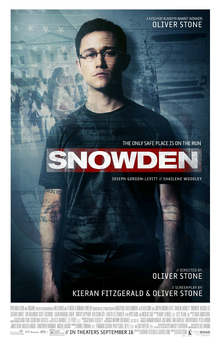
In 2016, a biographical film titled “Snowden,” directed by Oliver Stone and starring Joseph Gordon-Levitt as Snowden, was released, chronicling his life and the events leading up to the 2013 leaks. The film presented Snowden’s perspective on his motivations and the consequences of his actions.
Snowden remains a controversial figure, with ongoing discussions about the implications of his actions, the legal charges against him, and the impact of the information he revealed. His disclosures have influenced public opinion, spurred reforms in surveillance practices, and raised awareness about the importance of privacy in the digital age.
In 2019, Snowden published a memoir titled “Permanent Record,” in which he detailed his background, his work in the intelligence community, and the events that led to his decision to leak classified information. The book provides insight into his perspective on government surveillance, privacy rights, and the consequences of his actions.
Snowden’s actions have had a lasting impact on public discourse and policy debates related to government surveillance, privacy rights, and the balance between national security and individual freedoms. His case continues to be a topic of international interest and controversy, and he remains a prominent voice in the ongoing discussions about privacy, technology, and government transparency.

 Rush Naf
Leave a comment